LOADING...
Best Home Security Systems That Keep You Safe
 (1 votes, average: 5.00 out of 5)
- March 25, 2026
- by Ezlo Admin
Home security is a considerable investment, and it’s something you should consider as it protects your family, home, and valuables. With increased crime and break-ins, many homeowners are installing home surveillance systems to protect their most precious assets: their family and property. Usually, this is through home security systems that include keypads, touchscreen control panels, smart door locks, and indoor cameras, among many other devices.
The best way to feel safe in your own home is with a home security system. Home security systems will alert you if it detects something wrong or if someone is trying to get into your home via the door or window.
Best Home Security Systems To Keep Your Family Safe
There are various home security systems in the market, and it can be tough to settle on the right one for your security needs. Here is a preview of the best home security systems devices to keep tabs on your home while away to make your decision easier.
IP Cameras
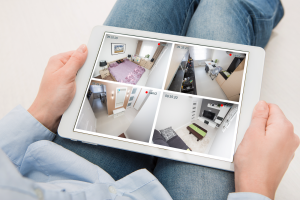
IP cameras have built-in servers that allow them to send and receive data over the internet without a PC making it possible for you to log into your security camera using a smartphone or computer anywhere in the world. In addition, some cameras come with motion detectors that can send an email alert when motion is detected.
Monitoring Systems
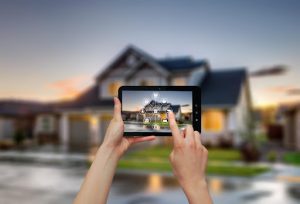
You can have a security company monitor your home 24/7 for a monthly fee, or you can monitor it yourself using a DIY system.
Smart Locks
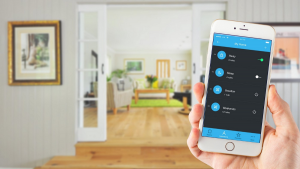
Smart locks let you unlock doors remotely using your smartphone, so you never have to worry about losing your house keys.
Glass Break Sensors
A glass break sensor reads the sound of a breaking glass either directly or by sensing the shockwaves from such an event.
Motion Sensors
Motion sensors respond to changes in infrared energy when someone enters the area around a door or window. They are a good deterrent for potential thieves because they set off an alarm if an intruder enters the home.
Types of home security systems
Choosing a home security system is a daunting task, as several home security systems vary according to the scope of monitoring and whether or not they use wires. Here are the main types of home security systems:
Hardwired
A wired system connects each sensor to the main control panel via wires hidden in walls and ceilings. The wires connect to your phone line or broadband router, allowing the system to contact emergency services. These systems are costly to install, and they require professional monitoring.
Wireless
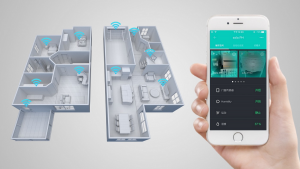
A wireless system transmits data between sensors and the main control panel via radio waves, so there’s no need for expensive wiring throughout your home. Wireless sensors also make installation more manageable, as you can mount them anywhere.
Monitored Systems
Monitored systems act as a deterrent against intruders and provide 24/7 monitoring from a team of professionals. With these home security systems, homeowners have the assurance that someone will know if an alarm goes off.
Unmonitored Systems
Unmonitored systems do not provide 24/7 monitoring but act as a local alarm system for your property. Homeowners have the option of installing sirens or strobe lights to alert them or their neighbors of any disturbances on their property.