LOADING...
ZigBee vs Z-Wave
 (No Ratings Yet)
- April 17, 2026
- by Ezlo Admin
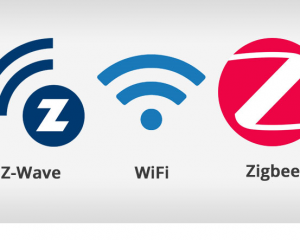
Zigbee vs Z-Wave: What You Need To Know
Smart-home technology has come a long way since the 19th century. What was once a quest into the unknown has become a part of everyday life. Wireless technology is evolving into a highly competitive industry, with systems such as Z-Wave and ZigBee gradually creeping into the mainstream tech market.
Building a smart home is now simpler and more efficient thanks to these two technologies. Although they aren’t the most popular, they still provide convenience, safety, and comfort at the highest level. The fundamental question here is, which is the better option? This article focuses on the primary differences and an overview of ZigBee versus Z-wave.
What is Z-Wave?
Officially launched in 2004, Z-Wave is a revolutionary wireless protocol that uses radio waves to connect devices in your home. This technology has rapidly become famous because of its utility value, with millions of units sold each year. Z-Wave is popular because of its ability to integrate many devices, range, and overall efficiency.
This system uses low-frequency radio waves to establish a reliable, top-tier integration network that helps you create a functional smart-home ecosystem. The system improves communication and creates a more reliable connection. This technology stands out because of its compatibility with over 700 top brands.
It is common knowledge that wireless networks become overwhelmed when integrating too many devices. A Z-Wave mesh network operates in reverse. This mesh network uses a central hub to integrate all your devices and create a repeater effect.
Each device acts as a flexible part of the communication network, bouncing signals from one appliance to another. This technology allows both direct and indirect communication between all your devices.
What is ZigBee?
ZigBee is a low-power, cost-effective wireless network that uses a radio-based protocol to improve device inter-connectivity. This system creates an effective data communication network through radiofrequency waves. It creates a matrix where all your devices connect to your smart home ecosystem.
This technology has no compatibility issues, and you can sync any device regardless of function or market designation. For the most part, they limit many homeowners with the task of buying products from the same manufacturer to ensure suitability. ZigBee omits this problem by facilitating a network that works with products from different manufacturers.
Wireless ZigBee devices also give you longer battery life and low latency. This system enhances backward compatibility and gives you highly upgradeable software. You also have a system that facilitates broad-based, cost-effective, and low-power wireless deployment networks that are efficient.
It is a network that optimizes control and monitoring capabilities and gives you top-tier service at a low cost.
ZigBee versus Z-Wave
Ultimately, these two technologies were bound to meet. They are both low-cost, efficient, and highly recommendable. The fundamental question here is, which one is better?
- The ZigBee network uses the 24GHz radio frequency common in many WiFi networks. This similarity in wavelength makes interference a problem for this system. Z-Wave does not suffer from this problem. It has a faster, more capable, and lower frequency range. (800-900). This statistic means Z-wave is more reliable.
- In terms of data exchange speeds, Z-Wave has between 10-100Kbps (Kilobytes per second), to ZigBees 40-250Kbps. ZigBee takes the cake on this one. With higher data exchange rates, you get better operating speeds.
- Compatibility is a consideration on both ends. All Z-Wave devices integrate and work together seamlessly. Some ZigBee devices do not cooperate and hence cause computing problems.
Remember that the primary goal here is to build a smart home ecosystem. It is not possible if some of your devices are incompatible with others. For this reason, a Z-Wave network should be your priority.
- There are other considerations such as connectivity. ZigBee boasts of up to 65,000 connected devices at one time, while Z-Wave only has about 232. ZigBee has many connectivity options-more that you will need at any point in your quest for a smart home.
Fundamentally, both devices have their perks and pitfalls. This fact makes it difficult to pinpoint which of the 2 outperforms the other. They are both convenient, safe, and effective.
Safety Concerns
Unlike devices in WiFi IoT networks, the radio frequencies in these wireless protocols have encryption. This coding means they are less vulnerable to cyber-crime and are a safer option for home automation. Encryption creates a system where hackers can not understand information even if they can hack into your system.
Verdict
It is tough to recommend ZigBee or Z-Wave at this point. Both protocols are effective, convenient, and safe. These networks, although significantly slower than WiFi, are more reliable.