LOADING...
Home Video Security Systems
 (1 votes, average: 5.00 out of 5)
- April 08, 2026
- by Ezlo Admin
Features and Benefits of Best Home Video Security Systems
As safety concerns take center stage today, many homeowners are considering installing a security system in their homes. Home video security systems are leading the way in home security by providing better protection and peace of mind. Home video security systems use cameras to record videos of intruders and help identify the criminal for possible prosecution.
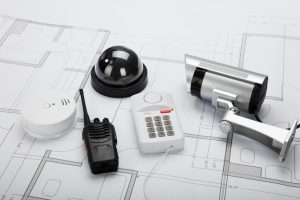
A home video security system incorporates a collection of cameras, monitors, and the cabling and hardware needed to connect them. Whatever system you choose depends on your needs, budget, and preference. You can choose from hardwired systems or wireless systems.
Types of Home Video Security Systems
Home video security systems generally comprise analog and internet-enabled security systems. Analog systems use wires to transmit video signals to a monitoring service, whereas wireless systems use wireless technology to transmit video signals to a monitoring service.
Closed Circuit Television (CCTV) Camera
CCTV is a popular home surveillance system that uses one or more cameras to record video and transmits pictures to a monitor or set of monitors. A Wireless CCTV does not require cabling to connect the cameras to the monitor. Instead, it uses radiofrequency (RF) signals and relays them to a receiver box attached to the monitor. Using RF signals allows you to place cameras anywhere within range of the receiver box and still receive a high-quality signal from multiple cameras.
IP Cameras
IP home video security systems use a network to connect cameras with monitors and recorders. As a result, IP systems are much easier to install, highly configurable, and scalable than analog CCTV. In addition, IP cameras have inbuilt DVRs that offer motion detection, searchable metadata, and digital zoom features.
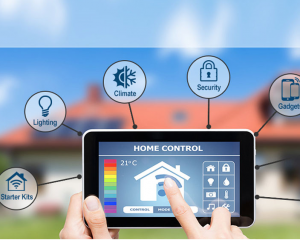
Home video security systems can integrate smart home technology to make surveillance systems smarter. For example, an intelligent video security system can connect to a smart doorbell. When someone rings the bell, your camera automatically records them and alerts you.
Motion Sensors
Video sensors on outdoor cameras detect movement outside your home and send alerts if something happens in your home vicinity.
Features of Best home video security systems
- Highly secure – With advanced features that help to detect and alert
- Easy to use features such as the Smart Remote, Activity Zones, and the Touch Screen menu
- Customer service from dedicated representatives
- Robust with a high-resolution color touchscreen
- Customizable
- Comprise the latest technology, including HD cameras, wireless devices, and more
- Mobile app available for IOS and Android
- Night vision in pitch dark environments
- Cloud storage: Securely store video footage in the cloud and allow you to view and manage recordings anywhere.
Benefits of home video security systems
Here are advantages to installing home video security systems:
Better Home Security
One of the advantages of having home video security systems is that they provide better protection against crime. Criminals often target unoccupied houses, so if a burglar spots evidence of home surveillance systems, they will probably avoid your house. Additionally, insurance companies typically base homeowners’ premium discounts on the measures you have in place to foster the security of your home.
Integration
Modern home video security systems provide home automation integration with other smart devices. For example, you can incorporate intelligent lights into the security system for extra security.
Continuous Surveillance
Monitoring doesn’t stop after you leave the house. You can access your home video surveillance system from anywhere and see what is going on in your house as long as you have access to the internet. You can keep an eye on your home while away, review footage of family members or pets, and even help keep your neighborhood safe by sharing footage with local police.
Checking on service Providers
Home video security systems help monitor contractors or other service professionals in your home. You can have individual cameras installed at the front door, back door, garage, etc. You can see in real-time who’s entering and leaving your property. It is beneficial if you have things of value, including money, jewelry, etc.
Professional service
Modern home video security systems come with professional monitoring services. The security system will alert a monitoring center, and someone will call you or the police to verify that it’s not a false alarm. And if you’re not available, they can dispatch the police.
Conclusion
Home security systems are excellent ways of safeguarding your home, belongings, and family from criminals. When criminals realize video security cameras monitor their movements, they will be less likely to break into your home.
By installing a comprehensive home surveillance system, you will be able to deter crime and theft. Home video security systems play crucial roles, whether you have a self-monitored DIY system or a professionally monitored option.