LOADING...
Security Cameras
 (1 votes, average: 5.00 out of 5)
- March 26, 2026
- by Ezlo Admin
Did you know that 60% of the 2.5 million burglaries each year are home invasions? Did you also know that a simple home security system will reduce the chances of a break-in by up to 80%?
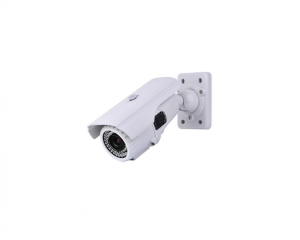
With millions of home break-ins in the U.S. each year, it has become apparent that security cameras are your first line of defense. There are plenty of options on the market in security hardware. Depending on your needs and budget, you can get a fully functional home security system to protect your family and property.
What You Need To Know About Security Cameras
The overwhelming number of top brands and security cameras available on the market makes finding a good fit quite challenging. We have compiled a list that will help you sort through the various grades of security equipment and find one that suits your needs.
Resolution
The trickiest part of finding the right camera is understanding what constitutes dots and pixels. While many modern security cameras are high resolution, there are considerations such as night vision capabilities. Note that the resolution of the camera you choose will also be affected during mixed lighting conditions. You need to vet the picture quality of the camera before purchasing it.
There are two main types of resolution, 1080p, and 4K. 4K is the most efficient, with better detail and clarity. This detail means you can see an image or video even in zoom mode. The issue with this resolution is that it takes up a lot of storage space, requires fast-speed internet, and is generally more expensive.
1080p may not have the same capabilities, but if you want a simple surveillance system that is pocket friendly, it works just as well. Remember to specify your intent to the manufacturer. Ask which camera best suits your needs.
Smart Integration
Another component is smart integration. The fundamental question here is can you blend your security camera seamlessly into your smart home ecosystem? How well does your camera integrate into your home security network?
Smart home integration is critical for two main reasons. First is the value of cloud storage and remote, real-time access. This technology allows your security cameras to communicate with other devices in your homes, such as lighting. You can use voice activation to change the camera viewing angle without physically moving it.
Smart cameras also have thermal and motion sensors that trigger alarms during unusual activity. Some commercial-grade security cameras integrate into your smart-lock system. You can turn on spotlights, automatically lock doors, and alert law enforcement in case of a break-in.
The concept of a smart home means that appliances and devices that operate separately can collaborate and create a perfectly functioning ecosystem.
Critical Features to Look For in Security Cameras
Whether you are looking for a commercial or consumer-grade security camera, there are basic features worth considering.
- Durability: Security cameras commonly operate 24 hours a day. This figure represents thousands of hours of footage a year. It also exposes external cameras to the elements-which makes durability a crucial requirement. Temperature range, liquid damage resistance, insulation, and frost resistance are fundamental considerations. Durability is a primary feature, especially in areas with adverse weather.
- Viewing Angle: Stationary cameras are a thing of the past. Any decent product, whether commercial or consumer-grade, should give you a 120-degree field of view at the very least. This capability is critical because one revolving camera will cover a large radius. Several stationary cameras will have many blind spots.
A wider viewing angle means no blind spots. This feature should be at the top of your requirement list.
- Night Vision: A significant chunk of home burglaries happens at night. Night vision and thermal imaging are very effective in identifying unusual activity that may otherwise go unnoticed. If you have budgetary constraints, you can use a spotlight and integrate it into your external cameras. The issue with a spotlight is to make your security system easy to identify.
- While conspicuous cameras can discourage criminals, they can easily be disabled or stolen. For this reason, investing in night-vision cameras is the better option.
- GeoFencing: One of the critical capabilities of smart-security cameras is geofencing. This feature involves syncing your security system to your smart devices for remote access and control. You can use your phone to arm your security system when you are not around. Although many people are yet to integrate this feature, it is still tremendously handy.
Geo-fencing allows you to grant or restrict access. Package deliverers, utility workers, and even pets access your home through this feature.
Final Thoughts
An increase in home break-ins has moved home security systems from a luxury to a necessity. Research shows that external cameras are the most crucial components in any security network. This brief shortlist outlines some of the tools you should consider before purchasing any security equipment. Good luck